
Clean Energy Blog, Xnergy Blog
Suruhanjaya Tenaga (ST) — Guideline for Solar Photovoltaic Installation for Self-Consumption in Peninsular Malaysia (Updated 31 December 2025)
4 Aug 2026SelCo (Self-Consumption) is the Malaysian framework that lets commercial and industrial (C&I) businesses install solar PV sized for their own on-site consumption. The current SelCo Guideline, issued by Suruhanjaya Tenaga (ST), is the version in force: it abolished the old 85% capacity limit, cut standby charges to RM12/kWp for larger systems, exempted sub-1 MWac systems from standby charges, opened the scheme to ground-mounted and floating installations, and phased in mandatory BESS requirements from 2026 for systems exceeding 1 MWac.
What is SelCo (Self-Consumption) in Malaysia?
SelCo lets a business generate its own solar electricity and consume it on site — the system is sized against the facility's own load rather than built to export. The regulator for the scheme in Peninsular Malaysia is Suruhanjaya Tenaga (ST), with SEDA Malaysia handling registration; TNB is the grid operator for the connection.
Because the business consumes what it generates, SelCo avoids the economics of selling power back to the grid, which under Malaysia's current export schemes (Solar ATAP) pays less than the import tariff. Adding a Battery Energy Storage System (BESS) lets a SelCo site store daytime surplus and shift it into the evening peak — the model used in large Malaysian C&I self-consumption projects.
Key Updates in the New SELCO Guideline
What Is a Standby Charge (and Why the Cut Matters)
A standby charge is the fee a business with its own generation pays to stay connected to the grid, covering availability of grid supply when solar output is insufficient. Under the guideline, systems 1 MWac and below are exempt, and systems above 1 MWac are charged at RM12/kWp per month — down from RM14/kWp. On a 2 MWac system, that RM2/kWp reduction creates material operational savings. The exemption is the main reason sub-1 MWac SelCo systems are now markedly cheaper to operate.
BESS Rules for SelCo from 2026
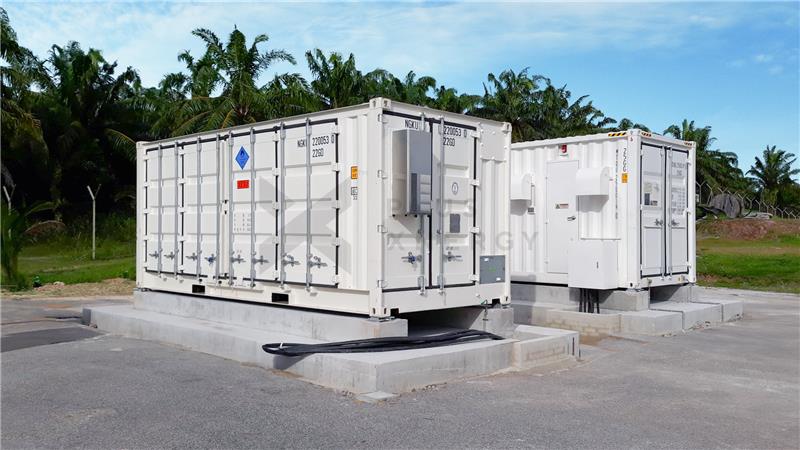
Under ST's updated framework, installation of a battery energy storage system is required for new SelCo applications exceeding 1 MWac starting in 2026. For high-capacity operations, BESS improves the business case by increasing self-consumption of solar output, shaving peak demand charges, and hedging against tariff increases. Malaysia's largest C&I self-consumption projects pair solar with BESS.
Why SelCo Makes Sense in 2026
No export dependency — you monetise every kWh you generate at the import tariff you avoid.
Bigger systems allowed — the abolished 85% limit means capacity can track actual demand.
Ground-mounted and floating options for facilities without suitable roofs.
Incentives — Green Investment Tax Allowance (GITA) and MIDA green incentives apply.
ESG — on-site renewable generation supports Malaysia's energy transition goal of 70% renewable capacity by 2050.
SelCo FAQ
What is SelCo in Malaysia?
SelCo (Self-Consumption) is Malaysia's framework for commercial and industrial solar PV systems sized for on-site consumption. It is governed by Suruhanjaya Tenaga's SelCo guideline, with SEDA Malaysia handling registration and TNB the grid connection.
Who is SelCo for?
Businesses — commercial, industrial, and agricultural facilities in Peninsular Malaysia with electricity demand that a rooftop, ground-mounted, or floating solar array can cover. It is not the residential scheme; homes use Solar ATAP or residential pathways.
Is BESS mandatory for solar in Malaysia?
Under the ST framework, battery storage is required for new SelCo installations exceeding 1 MWac starting in 2026. Systems 1 MWac and below, as well as legacy NEM-era installations, are exempt.
What is the standby charge under SelCo?
The standby charge is the grid-connection fee for self-generating businesses. Systems 1 MWac and below are exempt; systems above 1 MWac pay RM12/kWp per month (reduced from RM14/kWp).
Can SelCo systems export to the grid?
SelCo is built around self-consumption rather than export. Businesses that want to sell surplus energy use export-based schemes instead — NEM 3.0 closed in June 2025; Solar ATAP is the current export framework.
What is the 85% capacity limit?
The old rule capped C&I SelCo installations at 85% of the facility's demand. The guideline abolished this limit, allowing systems to be sized to 100% of actual consumption.
Does the current SelCo guideline apply to me if I already have solar?
No, existing approved legacy installations continue operating under their original approval conditions and are grandfathered under their existing terms.
How do I apply for SelCo?
Application runs through the registered provider route: engage a licensed solar PV service provider (RPVSP) who will handle registration via SEDA and the TNB connection process, including technical studies (such as a Connection Assessment Study) for larger systems.
Planning a SelCo system under the 2026 rules? Plus Xnergy designs, builds and operates C&I solar + BESS self-consumption projects — [email protected].
--------------------------------------------------------
Info Sources:
- The Edge Malaysia – “Government eases solar SelCo conditions to support industry”
- Bernama – “Petra, ST Enhance SelCo Programme Guidelines”
- MIDA Green Technology - https://www.mida.gov.my/industries/services/green-technology/
Related Tags
